
Shah Waliullah Dahlawî stands as one of the greatest Mujaddids (revivers) nurtured by the Islamic world, emerging amidst the political and cultural turbulence that gripped the Indian subcontinent in the 18th century. What elevated him to the rank of a "visionary guide for scholars" was not merely his intellectual profundity, but his heart, his character, his deep anguish for the Ummah, and his spirit of radical renewal. He occupied the zenith of Hadith scholarship, internalized Sufi training into his very being, and produced structural solutions to surmount the intellectual and social stagnation of his society. Thus, Dahlawi has remained a beacon, remembered with reverence by both the scholarly elite and the common folk for centuries.
A Foundation Forged in Knowledge
Shah Waliullah was born in Dalhi in 1703 into a lineage steeped in scholarship and tradition. His father, Sheikh Abdurrahim Dahlawi, was one of the region's most respected scholars in both jurisprudence (Fiqh) and Tasawwuf, and the founder of the renowned Madrasah-i Rahimiyyah in Dalhi. From a tender age, Dahlawi received both exoteric sciences and a robust spiritual upbringing directly at his father's knee. This early and comprehensive education laid the groundwork that would later allow him to approach Islamic sciences not as fragmented disciplines, but as a unified, organic whole.
Political and Intellectual Turmoil (18th Century India)
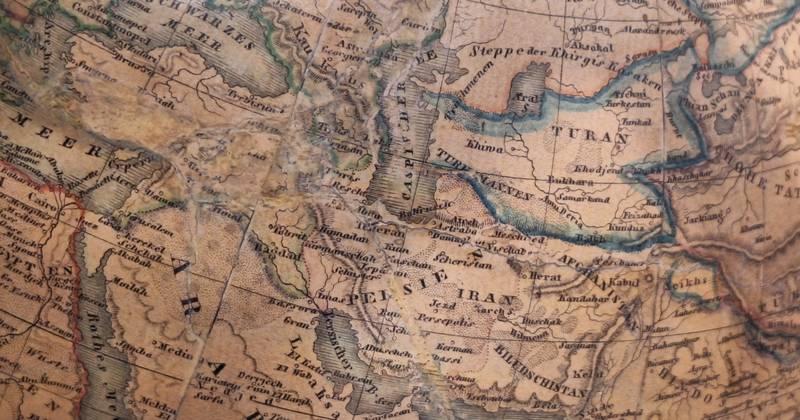
The era in which Shah Waliullah lived was an interregnum, a period of profound stagnation for the Indian subcontinent. The mighty Mughal Empire had entered a process of dissolution; political upheavals, economic depressions, and cultural confusion had reached their peak. Within the Muslim society, inward withdrawal, religious bigotry, and estrangement from knowledge were rampant, while the court circles were consumed by luxury and ostentation. A lifestyle estranged from the essence of religion had given rise to deviations in both creed and practice.
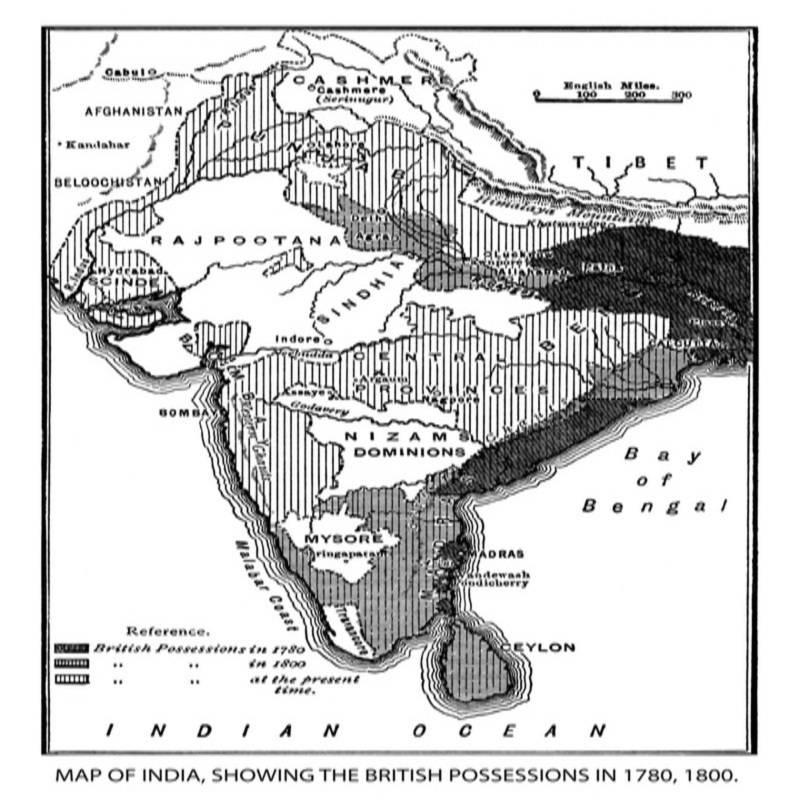
In such a critical hour, Shah Waliullah identified his supreme duty: the revival of knowledge, the resurrection of hearts, and the realignment of society with the pristine trajectory of the Quran and Sunnah.
The Journey to Hijaz and Intellectual Deepening
His pilgrimage to Mecca and Medina in his youth (1730–1732) marked a watershed moment in his life. In these holy lands, he studied under the celebrated Hadith scholars of the time, notably receiving the license (Ijazah) for Hadith transmission from Sheikh Abu Tahir Muhammad al-Madani. This journey served not only as a personal intellectual deepening but also as a bridge reconnecting the Muslims of the Indian subcontinent with the mainstream centers of Islamic learning. When he returned to Delhi, he was viewed no longer merely as a professor (mudarris), but as a visionary thinker with a comprehensive blueprint for the reformation of the Ummah.
A Multifaceted Scholarly Persona and His Works
Shah Waliullah possessed a breadth of knowledge rarely witnessed. He taught and authored works in the fields of Hadith, Principles of Jurisprudence, Tasawwuf, Theology, and Philosophy. His method was a wisdom-centered approach that harmonized the intellect, the heart, and societal necessities.
a. His Central Role in Hadith Science: Hujjatullahi’l-Baligha
Dahlawi’s greatest contribution to the science of Hadith was that he did not content himself with merely narrating traditions; he elucidated the fundamental wisdoms (Asrar-ı Shar’iyyah) upon which the Sharia rests. His magnum opus, Hujjatullahi’l-Baaligha (The Conclusive Argument from Allah), is a masterpiece that explains the universal ethical, psychological, and social philosophy behind Hadith and Fiqh rulings. This work demonstrates that Islamic injunctions are not arbitrary, but carry a divine order and purpose attuned to human nature (fitrah), social order, and spiritual evolution.
b. Service to the Quran
To forge a direct bond between the public and the Quran, Dahlawi initiated a revolution in the Indian subcontinent by translating the Quran into Persian. Given that the tradition of translation was not widespread at the time, this initiative pioneered the practical application of the idea of a Quran-centric renewal. Through his works explaining the wisdom and exegesis of the verses, he significantly increased the comprehensibility of the Quran.
c. The Sufi Aspect and Efforts for Reconciliation
Holding authorization (Ijazah) in both the Naqshbandi and Qadiri orders, he rejected an understanding of Tasawwuf that pushed one to the fringes of life in isolationist asceticism. Instead, he viewed Sufism as a vessel to carry faith and morality directly into the bloodstream of society.
His Struggle and Intellectual Legacy
Shah Waliullah’s struggle was founded not merely on producing knowledge, but on transforming this knowledge into social action.
a. Defending the Unity of the Ummah
Standing against the rising political and social sectarianism of his time, he emphasized that the root of these divisions lay in ignorance, the ego (nafs), and a misguided understanding of religion. in his scholarly works, he consistently highlighted the “common denominator of truth.”
b. Emphasis on Social Justice and Moral Reform
Dehlevî insistently admonished rulers to be just to their subjects, merchants to trade honestly, and society to show mercy to the weak. In his view, the collapse of a society begins with moral decay long before political instability sets in. Therefore, he argued that the foundation of reform is the revival of social justice and ethics.
c. The Call to Return to the Quran and Sunnah
Against a society drowning in formalistic and secondary disputes, he called for a return to the essence of religion. He maintained that the resurrection of Muslims was possible only through correctly understanding the Quran and placing the Sunnah, with wisdom, at the center of life. The distinguished students he raised—most notably his son, Shah Abdulaziz Dehlevî—carried this call to future generations, laying the foundations for the Islamic awakening movements in the Indian subcontinent.
AUTHOR
Abdurrahman Hakan Pakiş